
Tier List
Untitled Boxing Game tier list for 2026: the S-tier styles that define ranked, the dependable A and B picks, and the styles worth rerolling when you can.
Introduction
A UBG tier list is only useful if it explains the criteria behind each placement, because style rankings are community consensus rather than official data and they move with every balance patch. This section ranks the roster from S down to F while weighing five things separately: raw damage ceiling, dash quality, block strength, stamina efficiency and ultimate utility. A style can top one column and still sit in B overall, which is exactly what happens to several high-damage picks with slow wind-ups. Placements here follow how styles actually perform in ranked lobbies rather than how they look in a showcase clip, and the newest release is deliberately left unranked until community consensus settles. Use the table as a reroll decision aid: if a style you already own sits in S through B, you have something worth building around, and everything below that is a candidate for replacement when the next Legendary arrives.
Untitled Boxing Game Tier List Criteria
| Tier | Styles | Why They Sit Here | Watch Out For |
|---|---|---|---|
| S | White Ash, Ghost | The two styles that define the current ranked meta across both casual and competitive lobbies | Both are heavily telegraphed at high level and draw specific counter picks |
| A | Slugger, Hawk, Iron Fist, Wolf, Chronos, Bullet, Freedom | Top-shelf picks that hold up in nearly every matchup without a hard counter | Most need a specific playstyle to reach their ceiling |
| B | Shotgun, Dempsey, Switch Hit, Hands Low, Surgeon | Dependable styles with one clear weakness each that a good player can cover | Punished hard by opponents who play around the single weakness |
| C | Supernova, Trickster, Dragonfish | Situational picks that spike in the right matchup and fall flat otherwise | Inconsistent results make them poor ladder choices |
| D | Corkscrew, Counter, Hammer, Charge | Below the curve relative to the current roster and the first candidates for a reroll | Low ceiling even when played well |
| F | Basic, Smash, Long Guard, Turtle | Starter styles that are excellent for learning and weak for climbing | Keep one for practice; do not build a ranked plan on them |
Tier Breakdown
S Tier
White Ash and Ghost — the meta cornerstones
A Tier
Slugger, Hawk, Iron Fist, Wolf, Chronos, Bullet, Freedom
B Tier
Shotgun, Dempsey, Switch Hit, Hands Low, Surgeon
D and F Tier
Corkscrew, Counter, Hammer, Charge, Basic, Smash, Long Guard, Turtle
C Tier
Supernova, Trickster, Dragonfish
Unranked
Deimos — placed but not yet settled
Core Mechanics
Ranking styles in UBG requires separating five axes that frequently disagree. Damage ceiling is the headline number, but it only matters if the style can land its heavy punch, which is why slow wind-ups cap otherwise enormous styles. Dash quality decides whether you can reset spacing after a mistake, and it is the axis most players undervalue until they play a style without it. Block strength determines how long you survive a losing exchange, stamina efficiency decides how many exchanges you can afford per round, and ultimate utility is the wildcard that turns a losing matchup into a winnable one. A tier list that only weighs damage will put Slugger at the top; a tier list that weighs all five puts White Ash and Ghost there instead, because they are strong in more columns rather than best in one. That is also why a community tier list can be technically correct and still feel wrong to you: it is averaging preferences you may not share.
Advantages
A good tier list saves money. Because spins and Cash are finite and the pity counter punishes early luck, the most expensive mistake in UBG is building around a style that sits below the curve and then paying again to replace it. Ranking the roster up front means you can decide in advance which pulls are keepers and which are reroll fodder, which directly protects your interest in the hundred-spin guarantee. A tier list also shortens the adaptation period after a balance change: when a patch buffs or nerfs a style, the criteria listed here let you re-derive its placement yourself instead of waiting for a creator to publish an update. Finally, understanding why a style ranks where it does is what enables counter picking, and counter picking is the fastest route from Silver to Diamond for a player without a stacked roster.
Challenges
Tier lists in UBG have a credibility problem that no amount of care fully solves. The developer does not publish frame data or damage tables, so every placement ultimately derives from community testing and creator opinion, and two well-regarded sources routinely disagree for weeks after a release. New styles make this worse: Deimos arrived in September 2026 with no confirmed toolkit, so any ranking of it is speculation. Tier lists also flatten playstyle. A style at the bottom of the A tier may be the single best pick for how you personally fight, and a style at the top may be unusable for you because its win condition depends on a reaction window you do not have. Finally, the ladder is not a tier list environment: it is full of counter picks, connection variance and one-trick specialists, all of which push real match outcomes away from any theoretical ranking.
Frequently Asked Questions
How often does the UBG tier list change?+
Which tier list should I trust when sources disagree?+
Does a low tier style mean I should reroll immediately?+
Quick Tips
Rank styles on five axes rather than one. Damage ceiling is the number everyone quotes, but dash quality, block strength, stamina efficiency and ultimate utility decide more matches, and a list that only weighs damage will consistently misplace slow, high-damage styles. Dash quality and block strength decide more rounds than the damage column does, and a style that cannot reset spacing loses to patience no matter how hard it hits.
Re-derive placements yourself after a patch instead of waiting for a creator to update. The criteria matter more than the letters, and a player who knows why Ghost sits in S can work out within a few matches whether a jab-speed nerf actually changed anything in their own lobbies. Anyone who understands why a style sits in a band can re-derive its placement after a patch using their own matches instead of waiting weeks for a creator update.
Do not reroll a B or C tier Legendary while you are still spinning. Keeping a playable style equipped costs nothing, and every reroll consumes spins that would otherwise have pushed your pity counter toward a guaranteed replacement. Every reroll spends spins that would otherwise have pushed your counter toward a guaranteed Legendary, so a playable style in hand is worth more than a hypothetical upgrade.
Featured
Untitled Boxing Game Best Bullet Combos: Matchup Chart & Counters
Pull off the best bullet combos in Untitled Boxing Game with a style matchup chart, Freedom sub-style picks, and reliable counter-pick choices for solo queue.
Untitled Boxing Game Should I Reroll: Style Value Guide
Decide if you should reroll in Untitled Boxing Game with a full style value list, free and easy style picks, and the hardest styles to pilot in ranked fights.
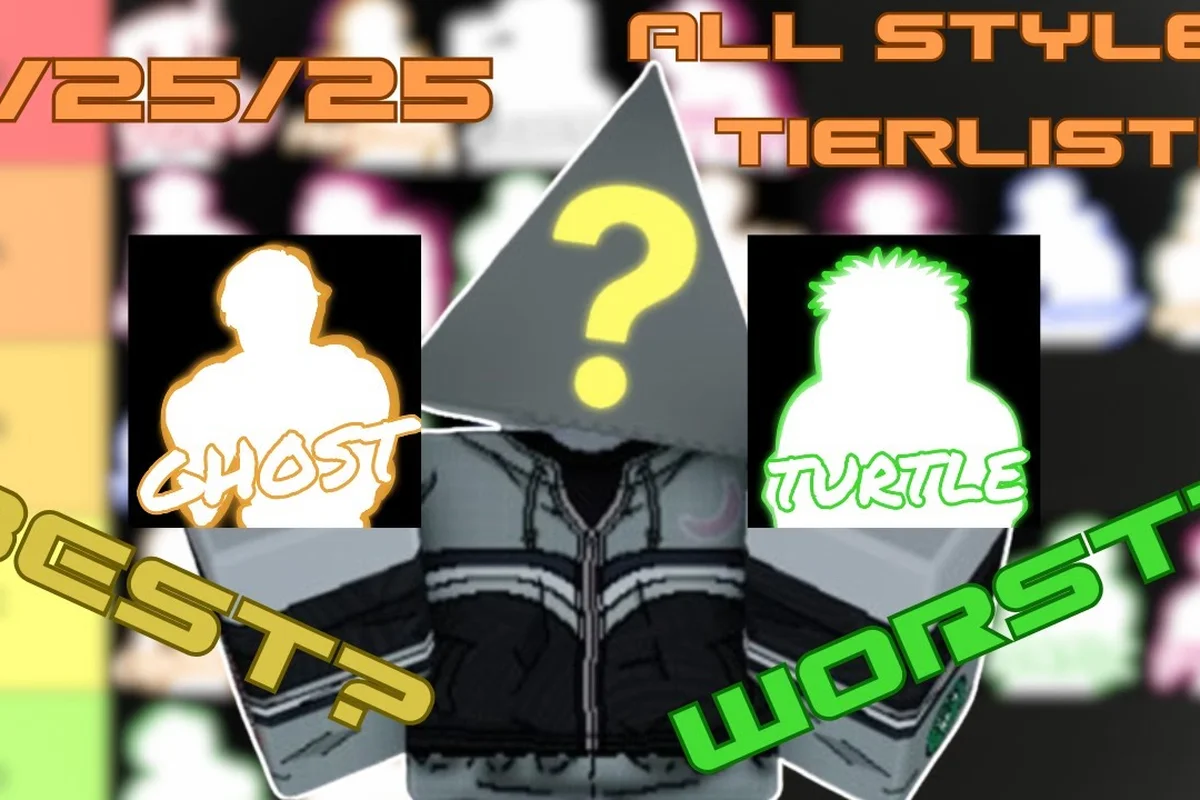
Untitled Boxing Game Tier List: S to F 2026 Rankings
Rank every untitled boxing game style from S to F in this 2026 tier list, weighing damage, dash quality, block strength, stamina use and ultimate power.
All Articles
Untitled Boxing Game Best Style for PvP: S and A Tier Picks
Find the best style for PvP in Untitled Boxing Game with S and A tier rankings, stamina-efficient combos, and counter picks that hold up in ranked lobbies.

Untitled Boxing Game Meta Styles: Mythic & Legendary Tier
Compare the strongest Untitled Boxing Game meta styles across mythic, legendary, and rare tiers, including White Ash vs Ghost matchup notes and top beginner picks.

Untitled Boxing Game Most Underrated Style: Hidden Gems
Spot the most underrated style in Untitled Boxing Game after the Deimos patch, with Surgeon build notes, Chronos tips, and Slugger and Hawk combo ideas.